
Autumn sunset from the cabin we rented—Oct 2023. 📸

Autumn sunset from the cabin we rented—Oct 2023. 📸
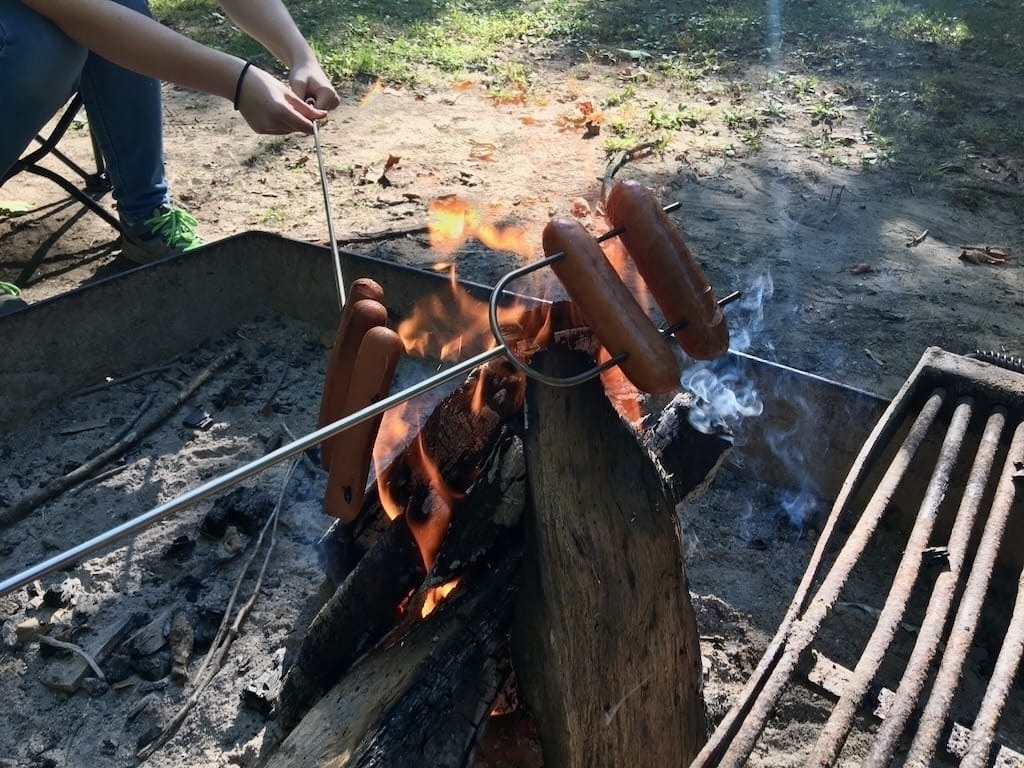
Breakfast on the Campfire—Autumn 2021 🏕️
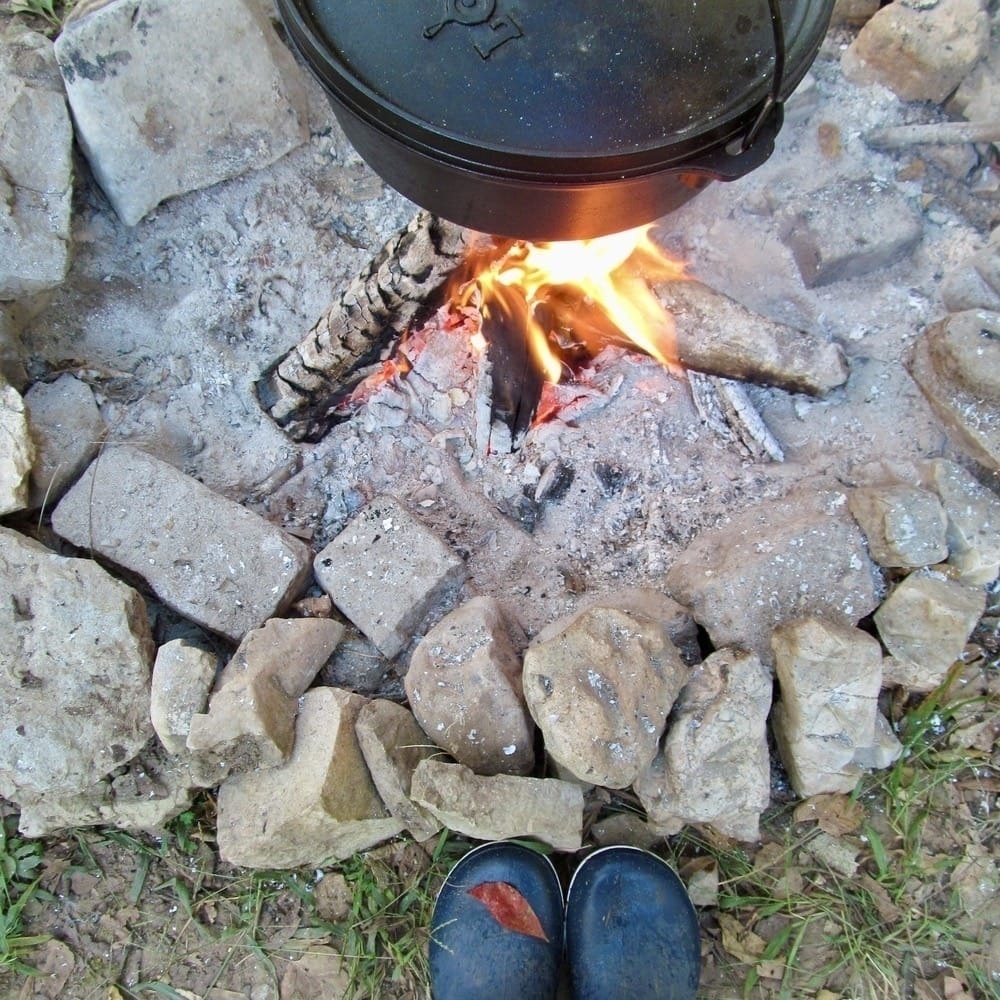
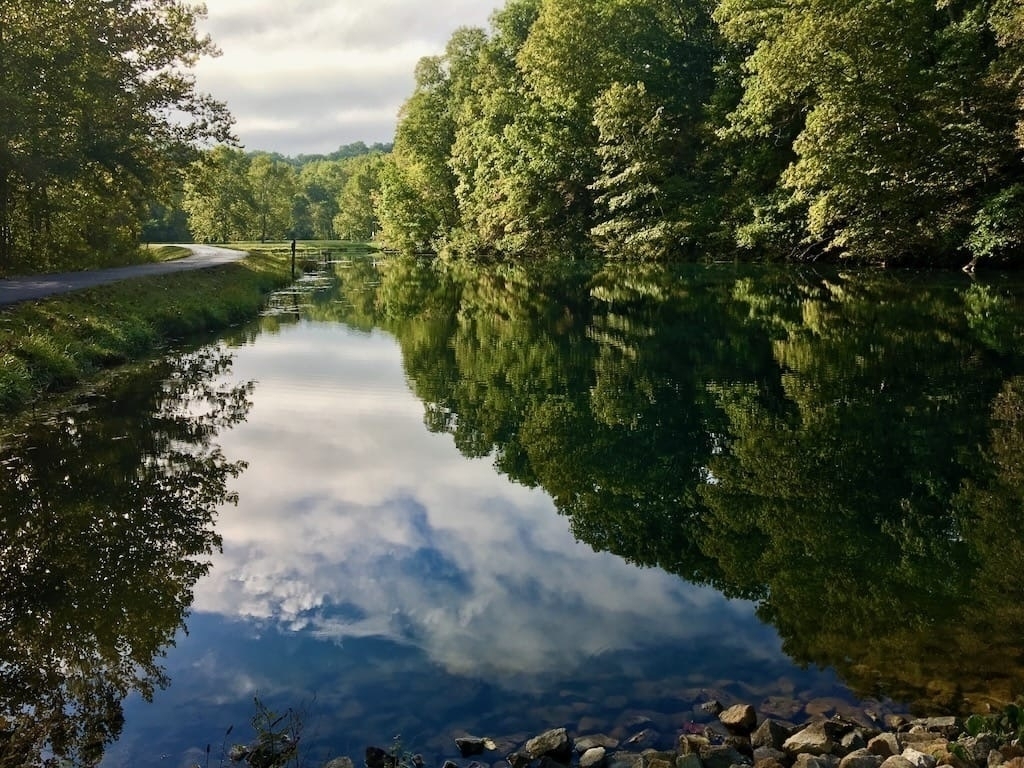
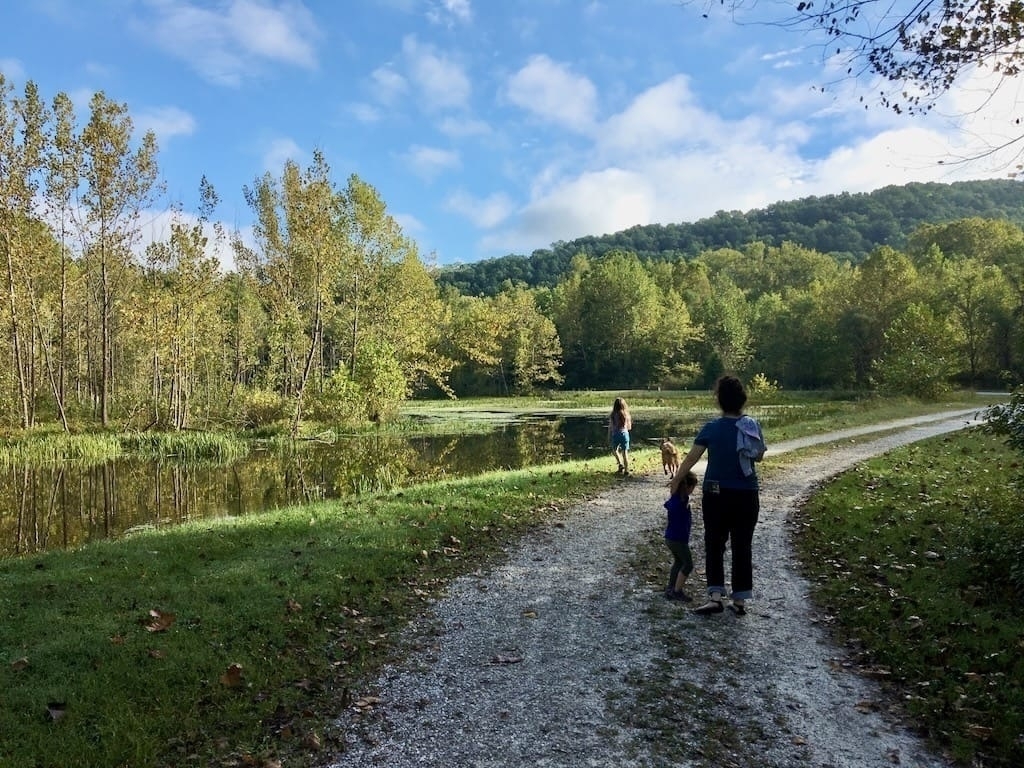
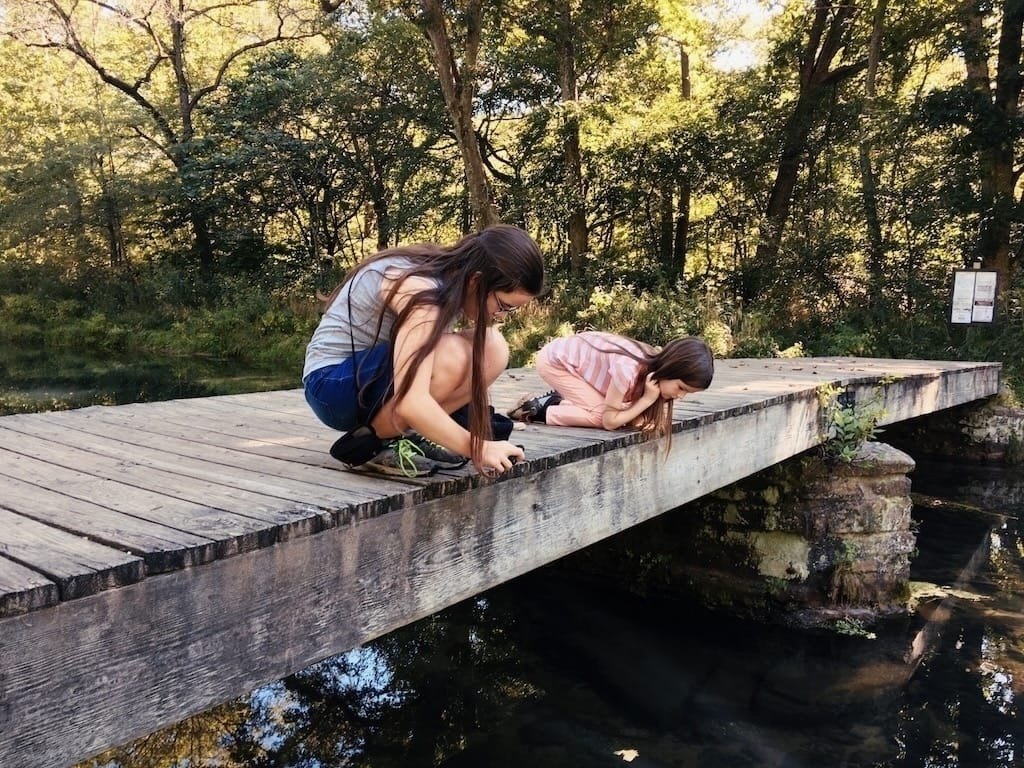
This beautiful weather has me wanting to go camping. 🏕️ Planning a short trip next week if we can get everyone over their head colds. In the meantime here are a few pictures from our trip to Montauk State Park in 2021.
Probably the last few flowers we’ll pick from the garden this year. 🌱

We haven’t taken any evening walks for a while but it has finally been cool enough to venture out. The trail passes by some fields and there was tractor parked near the path. Our youngest, who is infatuated with tractors, was thrilled.

A quick snapshot of sunset from the driveway. In the heat of summer, this is my favorite time of day.

I’m not a fan of the heat and humidity, but the summer garden produce is a bit of silver lining. 🌱

 In the last two decades we have seen the rise of the “young restless and reformed” and something of a resurgence of “reformed” theology generally. Whether you think this upsurge is to be lauded or condemned, it is clear that “reformed” has become something of a buzz-word. It shows up in Twitter bios, memes, and in the self-descriptions of celebrity pastors and teachers.
This sudden proclivity for identifying oneself as “reformed” has caused both confusion and controversy. What does it really mean to be reformed? Can anyone simply adopt that term? What about those who say that most of these newly self-declared “reformed” folks aren’t really reformed at all? As someone who has come to identify as reformed in recent years, I’ve given this a good bit of thought. Though I don’t expect to solve the debate for most, if any, I do hope to explain and defend my own use of the term.